

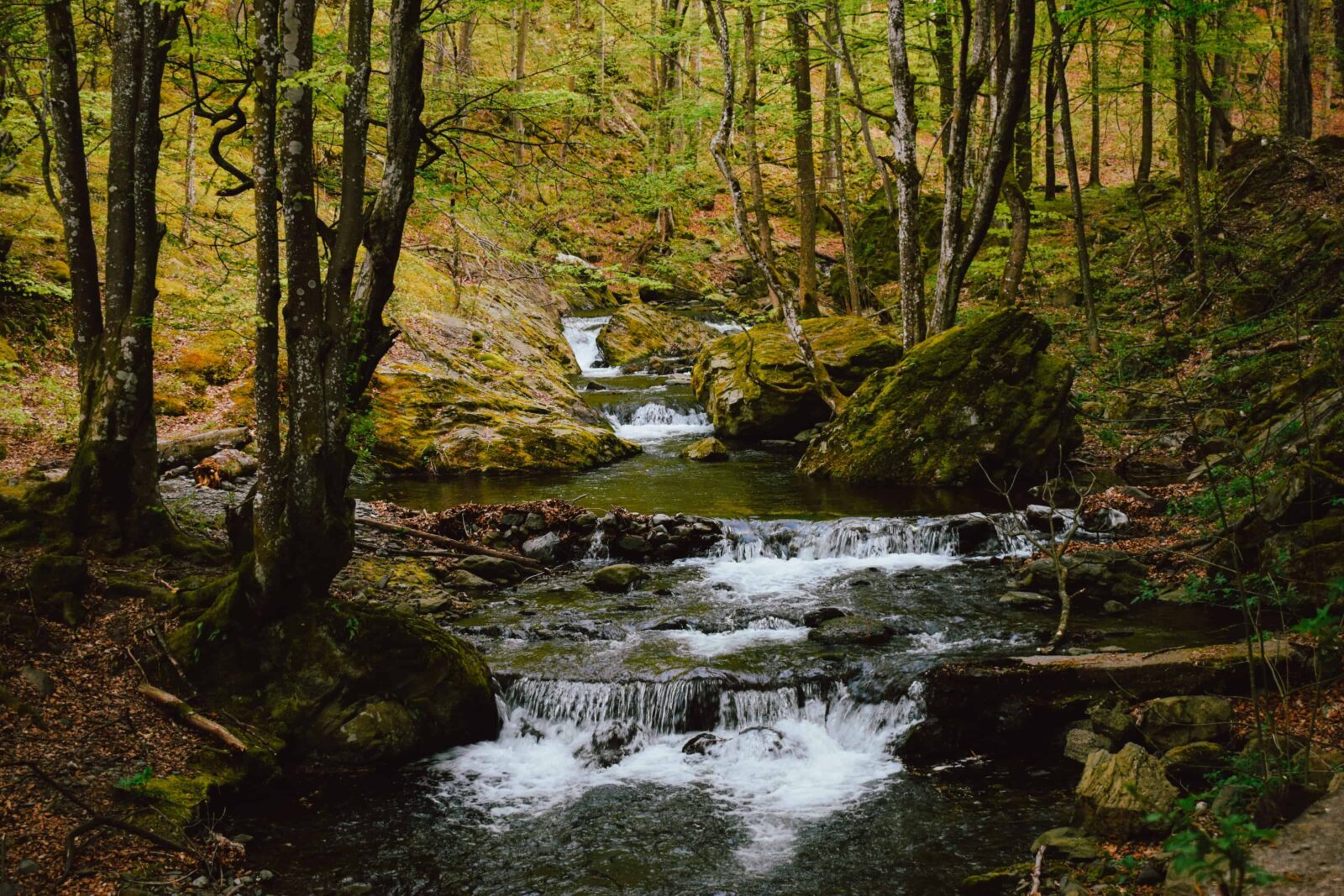
If you love the outdoors and exploring nature, you’ll be happy to know that there are several forests in the Pacific Northwest that are great for outdoor activities. We’ve created this handy guide to help you get acquainted with Siuslaw National Forest, one of the most beautiful natural areas in Oregon. The Siuslaw National Forest is a dense reserve of trees and plants along the coast of Oregon. It’s home to many species of wildlife, including elk, deer, bald eagles, and river otters. If you’re planning on visiting this area soon, read on for some useful information about what there is to see and do in Siuslaw National Forest.
What to Do in Siuslaw National Forest?
There are plenty of things to do in Siuslaw National Forest. You can hike or camp, fish or boat, view wildlife, or visit the visitors center. There are plenty of campgrounds to stay in, some with running water and even with electricity since some are near popular lakes. Some of the trails include the Coastal Trail which is 40 miles long, the Northern Trail which is 42 miles long, and the Headwaters trail which is 14 miles long.
What Is There To See In Siuslaw National Forest?
1. The Siuslaw River
The Siuslaw River is a river that runs through the middle of the forest. This river is home to several species of salmon and steelhead, as well as many types of birds.
2. The Siuslaw Falls
The Siuslaw Falls, located near Florence, is one of the most beautiful natural features in the forest. The falls are made up of several tiers, with a waterfall at each level. There are also several cascades that make the falls even more spectacular.
3. The Three Brothers
This area has been named because it was once a patchwork of three different land masses: Tillamook Headlands, Cape Foulweather, and Cape Lookout. This area has been formed by plate tectonics and volcanism, which happened thousands and thousands of years ago; therefore, it’s still mostly wilderness today! There are numerous hiking trails that lead to hidden coves along this part of the coast (including Hidden Cove Cove). If you’re looking for seclusion, this is where you’ll find it!
4. The Siuslaw River Mouth
This part of the forest is home to the Siuslaw River mouth, a popular place for fishermen to cast their lines into the river. There are also picnic tables and fire rings on the bank of the river, where you can sit and relax in this beautiful area.
5. Cape Foulweather State Scenic Viewpoint
This point is located near Florence, and it’s a great place for viewing Cape Foulweather and other parts of the Siuslaw National Forest. This is a great place to stop by if you’re looking for some amazing views of the forest or just want to get away from it all!
6. The Headwaters Trail
The Headwaters Trail takes hikers through some of Oregon’s most beautiful forests, in addition to meeting many interesting species of wildlife along the way. This trail is 42 miles long and leads hikers through eucalyptus forests, pine forests, hemlock groves, and even meadows filled with wildflowers! If you plan on visiting this area soon, be sure to check out our guide at the end of this article!
7. Siuslaw National Forest Campground
Located in Florence, the Siuslaw National Forest Campground is a popular place for those looking to camp in the forest. The forest has over 70 campsites, which are available to visitors from April through November. This beautiful campground is also home to several amenities such as a swimming pool, fish cleaning station, and showers.
8. The Siuslaw River Bridge
This bridge is located in Florence and you can see it from many different areas of the town. It’s one of the most photographed bridges in Oregon! This bridge was built in 1926 and was originally used by logging trucks that traveled along the river. It’s now used by fishing boats and kayaks, though! There are picnic tables under the bridge for people who want to stop by and enjoy some fresh air while they wait for their friends to return with their catches!
What Are The Best Trails In Siuslaw National Forest?
1. The Headwaters Trail
The Headwaters Trail takes hikers through some of Oregon’s most beautiful forests, in addition to meeting many interesting species of wildlife along the way. This trail is 42 miles long and leads hikers through eucalyptus forests, pine forests, hemlock groves, and even meadows filled with wildflowers! If you plan on visiting this area soon, be sure to check out our guide at the end of this article!
2. The Siuslaw River Bridge
This bridge is located in Florence and you can see it from many different areas of the town. It’s one of the most photographed bridges in Oregon! This bridge was built in 1926 and was originally used by logging trucks that traveled along the river. It’s now used by fishing boats and kayaks, though! There are picnic tables under the bridge for people who want to stop by and enjoy some fresh air while they wait for their friends to return with their catches!
3. The Headwaters Trail Hike
The Headwaters Trail takes hikers through some of Oregon’s most beautiful forests, in addition to meeting many interesting species of wildlife along the way. This trail is 42 miles long and leads hikers through eucalyptus forests, pine forests, hemlock groves, and even meadows filled with wildflowers! If you plan on visiting this area soon, be sure to check out our guide at the end of this article!
4. Siuslaw River Bridge Hike
This bridge is located in Florence and you can see it from many different areas of the town. It’s one of the most photographed bridges in Oregon! This bridge was built in 1926 and was originally used by logging trucks that traveled along the river. It’s now used by fishing boats and kayaks, though! There are picnic tables under the bridge for people who want to stop by and enjoy some fresh air while they wait for their friends to return with their catches!
5. The Headwaters Trail Hike
The Headwaters Trail takes hikers through some of Oregon’s most beautiful forests, in addition to meeting many interesting species of wildlife along the way. This trail is 42 miles long and leads hikers through eucalyptus forests, pine forests, hemlock groves, and even meadows filled with wildflowers! If you plan on visiting this area soon, be sure to check out our guide at the end of this article!
Tips For Your Trip To Siuslaw National Forest
- Be sure to visit the Siuslaw National Forest Visitor Center in Florence! This is a great place to get maps and information about all of the trails in the forest. You can also reserve campsites, buy firewood, and find out about other recreational activities that are available in the area.
- Be sure to go fishing! There are many different places where you can fish for salmon, steelhead trout, or sturgeon! You can even go fishing from your car or boat if you want to be more mobile and experience something different. Some great places to fish include Campground #18 at McMenamins Florence, Campground #19 at McMenamins Florence, Eagle Creek Trailhead near Florence, and Campground #15 at McMenamins Florence.
- There are some great places to camp in the Siuslaw National Forest! Some of the best places to camp include Campground #17 at McMenamins Florence, Campground #16 at McMenamins Florence, Campground #18 at McMenamins Florence, and Campground #19 at McMenamins Florence.
- If you’re looking for something more active, try hiking! There are so many trails that you can choose from in the Siuslaw National Forest! Some of the trails include Campground #1 at McMenamins Florence, Campground #2 at McMenamins Florence, Campground #3 at McMenamins Florence, Campground #4 at McMenamins Florence, and Campground #5 at McMenamins Florence.
- Be sure to check out all of the beautiful views around the Siuslaw National Forest! The views are incredible, and they will definitely leave a lasting impression on you! Some of these places are North Bend Bridge, Halsey Island, Ecola State Park, and St. Vincent Creek Dune Field.
The Last Line
The Siuslaw National Forest is one of the most beautiful forests in the Pacific Northwest. If you’re interested in nature, this is the perfect place to visit. There are a wide variety of activities and attractions to keep you busy, including hiking, kayaking, and wildlife viewing.
FAQ’s
1. How many campgrounds are there in the Siuslaw National Forest?
There are 15 campgrounds in the Siuslaw National Forest, including Campground #1 at McMenamins Florence and Campground #2 at McMenamins Florence. There are also several other camping options available in the area, including Bald eagle Creek Campground, Campground #3 at McMenamins Florence, Eagle Creek Trailhead near Florence, Campground #15 at McMenamins Florence, and Campground #18 at McMenamins Florence.
2. Is there a visitor’s center in the Siuslaw National Forest?
Yes! The Siuslaw National Forest Visitor Center is located in Florence. They can help you plan your trip to the forest by providing maps and information about all of the trails that are available. They also sell firewood if you need it and they can give you information about other recreational activities that are available in the area.